

High-Protein Mint Chip Ice Cream (With Dark Leafy Greens)
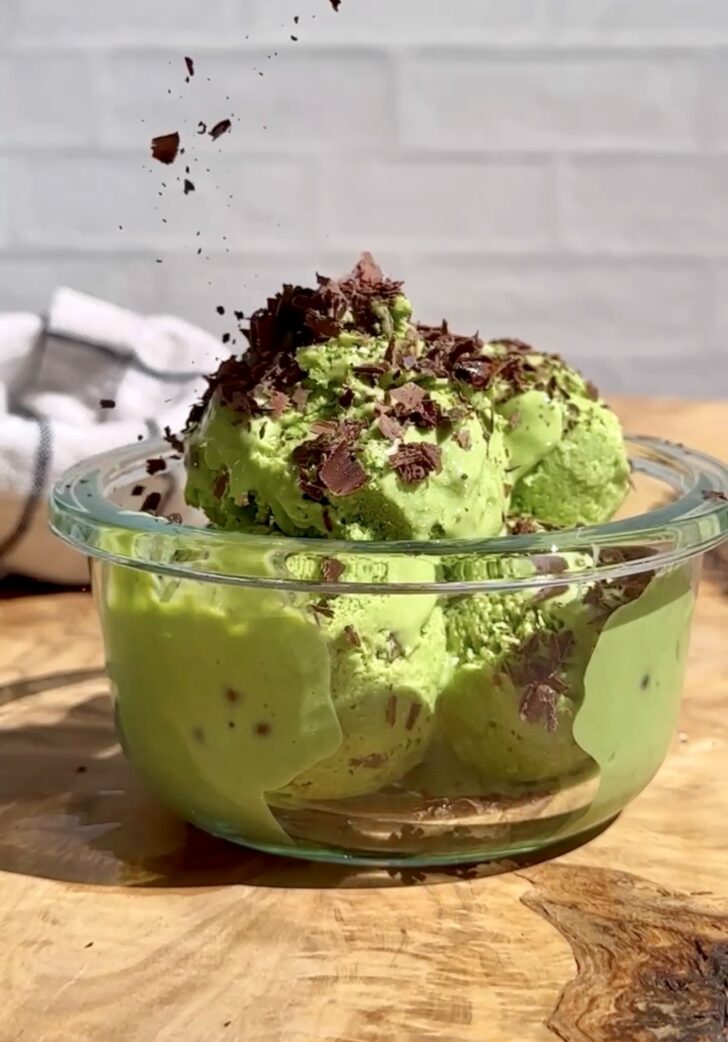
If you told me years ago that I’d be blending kale into mint chip ice cream, I probably would’ve laughed.
But here we are, making a high-protein, micronutrient-dense, gut-supportive frozen dessert that actually tastes like real mint chip… and supports your brain and body at the same time.
This recipe was inspired by research on nutrient density and mental health, specifically the study that evaluated foods based on micronutrients associated with reduced depressive symptoms (study here). Dark leafy greens ranked at the top.
So today… we’re putting it in ice cream.
And yes it works!
Why Dark Leafy Greens Are Linked to Better Mental Health
Let’s start with the science.
A 2018 study published in World Psychiatry evaluated foods based on their density of nutrients known to support brain function and reduce risk of depressive symptoms. Researchers created an “Antidepressant Food Score” based on nutrients like:
- Folate
- Iron
- Long-chain omega-3 fatty acids
- Magnesium
- Potassium
- Selenium
- Thiamine
- Vitamin A
- Vitamin B6
- Vitamin B12
Dark leafy greens scored among the highest of all foods analyzed.
Why does this matter?
Many of these nutrients are directly involved in:
- Neurotransmitter synthesis (including serotonin and dopamine)
- Regulation of inflammation
- Oxygen transport to the brain
- Methylation pathways
- Energy metabolism
Kale, specifically, is rich in folate, vitamin A (as beta carotene), vitamin K, magnesium, and antioxidants.
Now, does this mean kale is an antidepressant? No.
But nutrient density absolutely plays a role in long-term brain health and mood stability.
And most people are under-consuming dark leafy greens.
High-Protein Mint Chip Ice Cream: A Functional Dessert
This isn’t just a “healthy alternative.”
This is a protein-forward, micronutrient-supportive dessert that:
- Contains high-quality dairy protein
- Provides fat for satiety and hormone support
- Includes dark leafy greens for micronutrients
- Satisfies cravings while supporting blood sugar balance
Let’s break down the structure of this recipe.
Why Cottage Cheese Makes the Perfect High-Protein Ice Cream Base
Cottage cheese is wildly underrated in my opinion!
Here’s why it works in this recipe:
1. It’s Rich in Casein Protein
Casein is a slow-digesting dairy protein that supports:
- Muscle repair
- Satiety
- Stable blood sugar
- Overnight recovery (if eaten in the evening)
Two cups of cottage cheese provide roughly 48 grams of protein, depending on the brand.
That’s significant for a dessert!
2. It Blends Smooth
When blended at high speed, cottage cheese becomes creamy and neutral. It acts almost like a cheesecake base.
3. It Adds Natural Thickness
Unlike traditional ice cream that relies heavily on heavy cream and sugar for texture, cottage cheese provides protein structure.
For women trying to:
- Build muscle
- Improve body composition
- Stabilize hunger
- Support hormone health
This matters.
If you loved my Lemon Blueberry Breakfast Cakes or Raspberry Chocolate Overnight Oats, this follows the same principle: build protein into foods you already crave.
Ingredients (High-Protein Mint Chip Ice Cream)
Serves: 2
- 2 whole kale leaves, destemmed
- 2 cups cottage cheese
- ½ cup pure maple syrup
- 1 tbsp pure vanilla extract
- 2 tsp peppermint extract
- 1 tbsp coconut oil, melted
- Pinch sea salt
- ¼ cup dark chocolate chips
Optional vegan swap: use full-fat coconut milk instead of cottage cheese (note: protein content will drop significantly).
How to Make High-Protein Mint Chip Ice Cream
- Tear kale leaves into small chunks.
- Add kale, cottage cheese, maple syrup, vanilla, peppermint extract, coconut oil, and salt to a high-speed blender.
- Blend until completely smooth and creamy.
- Pour into a shallow dish.
- Sprinkle chocolate chips over top and swirl with a spoon.
- Freeze for 6 hours or overnight.
Let sit at room temperature 5–10 minutes before scooping.
Does It Taste Like Kale?
No.
Peppermint extract and vanilla completely dominate the flavor profile. The kale functions as a micronutrient boost and gives that natural green color.
If you are highly sensitive to greens:
- Start with 1 leaf
- Blend thoroughly
- Make sure stems are fully removed
Texture and blending quality matter.
The Role of Healthy Fats in Frozen Desserts
This recipe includes coconut oil.
Why?
Fat influences:
- Mouthfeel
- Texture when frozen
- Hormonal stability
- Fat-soluble vitamin absorption (like vitamin A in kale)
Without some fat, frozen dairy blends can become icy.
You could reduce maple syrup slightly if desired, but understand that sugar also affects freeze texture.
This is not a zero-calorie dessert, it’s a functional one!
Is This Ice Cream Good for Athletes?
Yes when used strategically.
For athletes or active women:
- Protein supports muscle repair.
- Carbohydrates (maple syrup + chocolate chips) replenish glycogen.
- Micronutrients support recovery and oxidative stress balance.
- Casein before bed may support overnight recovery.
Would I use this as a pre-workout fuel? Probably not.
Use this as:
- A post-lift treat
- A high-protein dessert
- A strategic recovery snack
If you’re working on body recomposition or muscle growth, this fits better than traditional ice cream.
How This Fits Into a Muscle-Building Nutrition Plan
Muscle growth requires:
- Adequate protein
- Sufficient calories
- Progressive overload training
- Consistency
One of the biggest mistakes I see women make is under-eating protein and then craving sugar at night.
High-protein desserts like this can:
- Reduce late-night overeating
- Improve protein intake distribution
- Increase adherence to long-term nutrition goals
You do not need to eliminate dessert, you need to structure it right!
FAQ: High-Protein Mint Chip Ice Cream
Yes. You can substitute:
Honey
Monk fruit blend
Dates (blended)
Stevia (adjust carefully)
Note: Lower sugar may result in a firmer freeze texture.
Yes, but:
Texture will be slightly tangier.
Protein will remain high.
You may need slightly more sweetener.
Blending does not destroy most micronutrients. Some oxidation occurs, but the nutrient density remains significant.
Removing stems improves texture and digestibility.
You can, but it’s not necessary.
This recipe is already high in protein. If you add powder:
Reduce cottage cheese slightly
Add small amount of liquid if texture thickens too much
Yes! Especially if you don’t tell them it contains kale.
The mint chocolate flavor profile is dominant.
Best within 3–5 days. Texture becomes firmer over time. Let thaw slightly before scooping.
Who This Recipe Is For
This high-protein mint chip ice cream is ideal for:
- Women building muscle
- Athletes needing recovery fuel
- Busy moms trying to increase nutrient density
- Anyone wanting structured indulgence
- People who struggle with nighttime sweet cravings
If you’re already loving high-protein desserts, check out:
- Brownie Batter Bliss
- Strawberry Cheesecake Overnight Oats
- High Protein Cheesecake Covered Strawberries

High-Protein Mint Chip Ice Cream (With Cottage Cheese & Kale)
Ingredients
- 2 whole kale leaves
- 2 cups full-fat cottage cheese
- ½ cup pure maple syrup
- 1 tbsp pure vanilla extract
- 2 tsp peppermint extract
- 1 tbsp coconut oil, melted
- 1 pinch sea salt
- ¼ cup dark chocolate chips, or shaved chocolate
Equipment
Instructions
- Tear kale leaves into small pieces and discard stems.
- Add kale, cottage cheese, maple syrup, vanilla extract, peppermint extract, melted coconut oil, and sea salt to a high-speed blender.
- Blend until completely smooth and creamy, scraping down sides as needed. No green flecks should remain.
- Pour mixture into a shallow freezer-safe dish.
- Sprinkle dark chocolate chips over the top and gently swirl into the mixture with a spoon.
- Freeze for at least 6 hours or overnight until firm.
- Let sit at room temperature 5–10 minutes before scooping for best texture.
Notes
- For a vegan version, substitute full-fat coconut milk for cottage cheese (protein content will decrease).
- For lower sugar, reduce maple syrup to ¼ cup and adjust to taste.
- Using full-fat cottage cheese improves creaminess and prevents iciness.
- Always remove kale stems to avoid fibrous texture.
- Best consumed within 3–5 days for optimal texture.